
About BenTime Stories
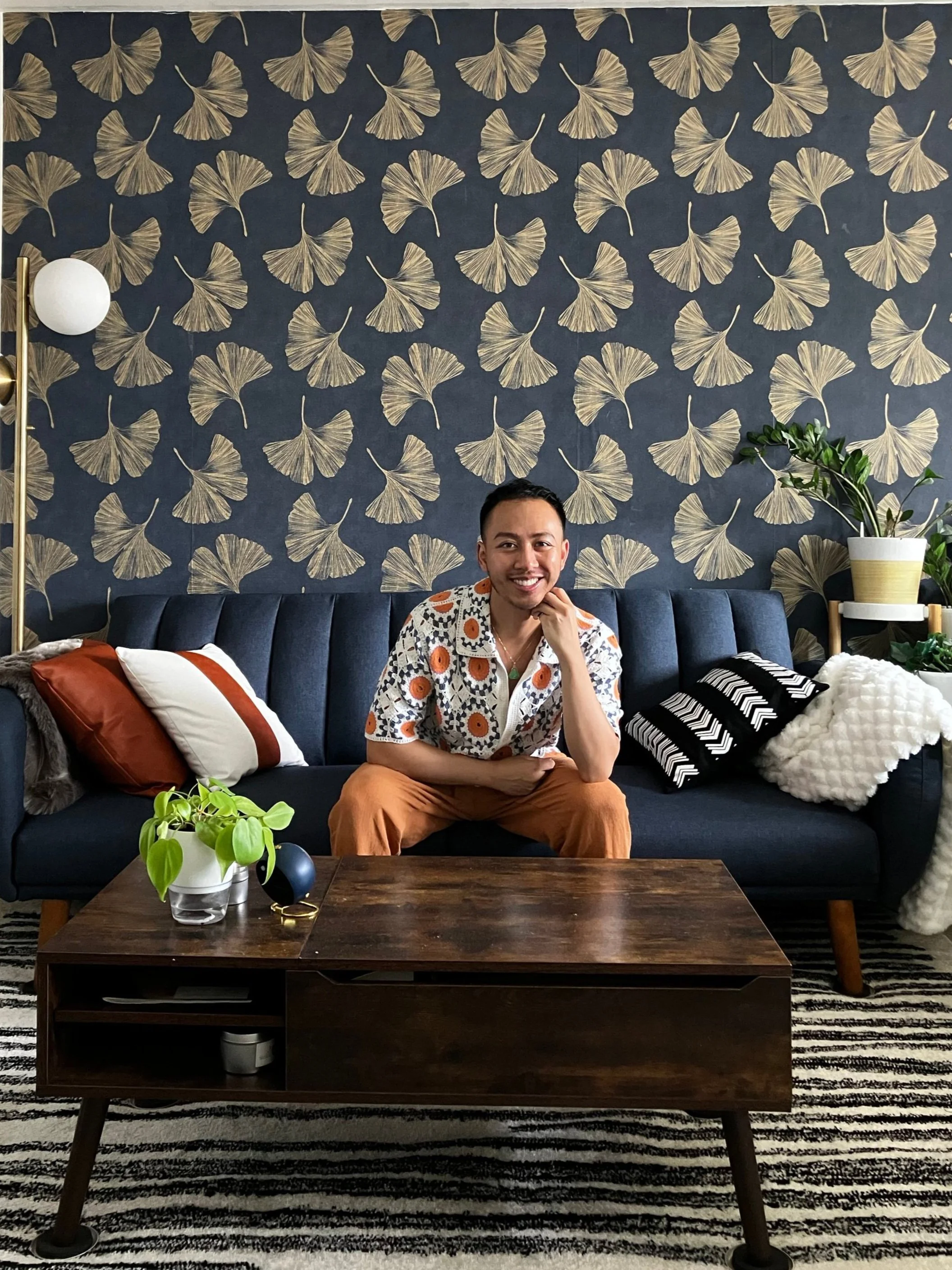
BenTime Stories is a safe haven for creative expression, self-reflection, and human connection.
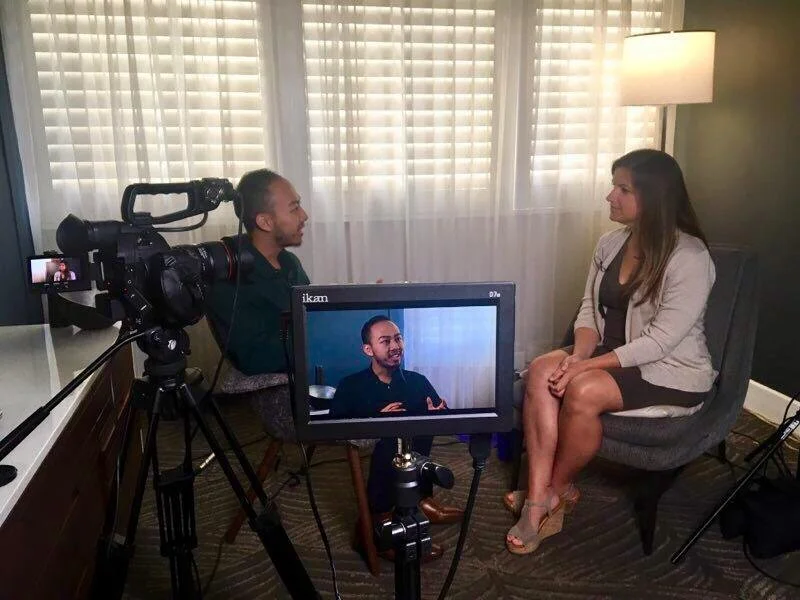
There’s more to your story.
BenTime Stories started as a personal platform for me to explore my innermost thoughts, feelings, and experiences, including the deeper and darker aspects of my life. It was a [square] space where I could freely express my musings and discoveries, and unleash my creativity–ultimately allowing me to delve deeper into my psyche and uncover truths about myself that I may not have otherwise realized.
Eventually this space evolved into a therapeutic practice, inviting others to share their stories and have their voices heard while also exploring shadow elements and bringing forth hidden truths. The various narratives that emerged through the sharing of this space have awakened and inspired a desire to curate unheard stories to uplift and illustrate the unlived fantasies, wishes, and losses held within the collective unconscious of underrepresented and marginalized communities.
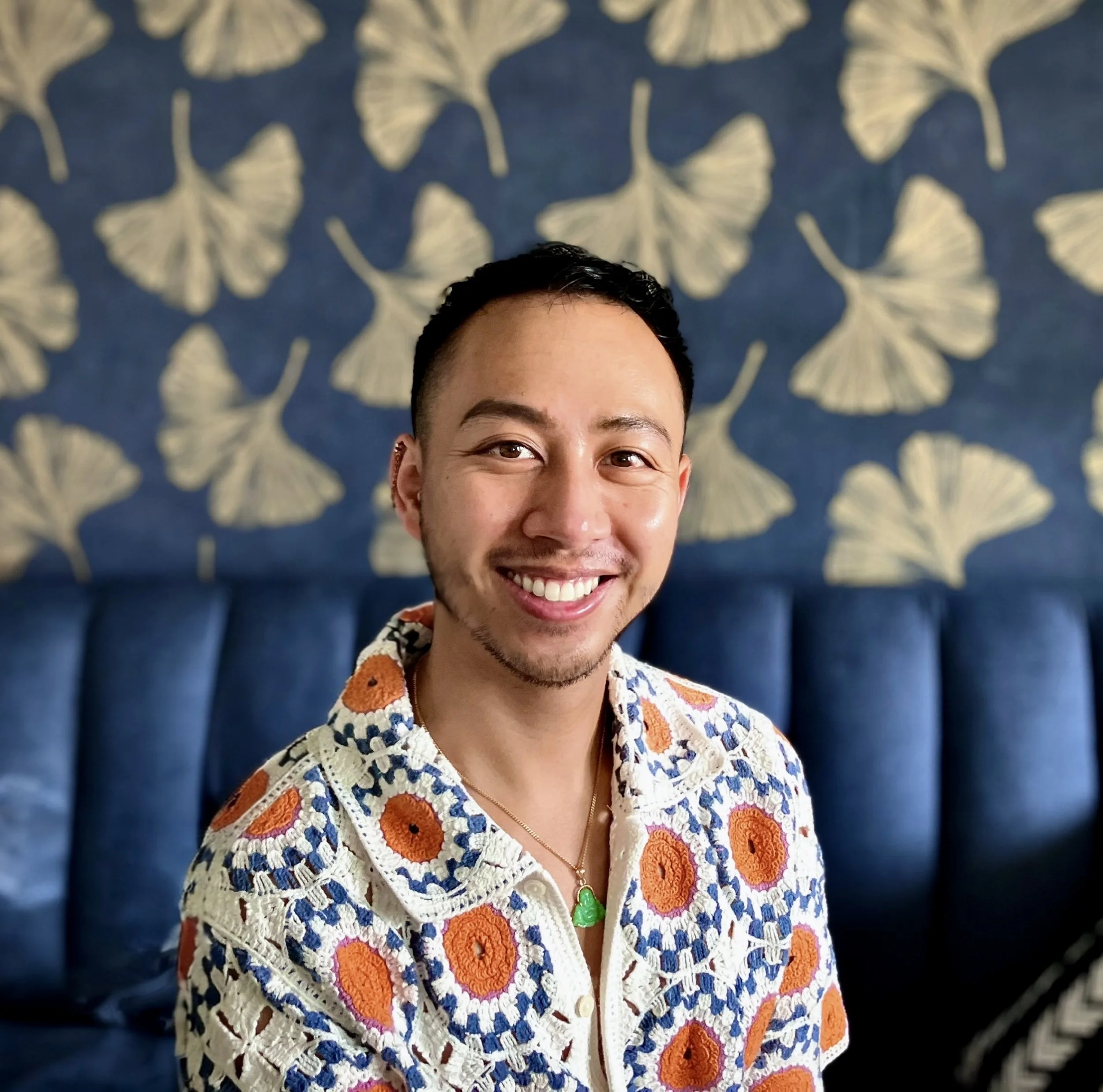
Nice to meet you, I’m Ben!
I am a licensed psychotherapist and certified public health professional with over fifteen years of experience in health and human services. I currently live and practice out of the Silicon Beach and South Bay in Los Angeles, California.
I also serve as the Senior Manager for Outreach & Engagement with the American Academy of Addiction Psychiatry, helping to amplify SAMHSA’s Opioid Response Network reach and impact to underserved and underrepresented communities.
A few of my favorite things ◇ Love! ◇ Trees ◇ Mushrooms ◇ Breakfast Burritos ◇ Running ◇ Late Night Conversations ◇ Young Adult BL Novels ◇ Mythology ◇ A24 Films ◇ Musical Theatre ◇ Karaoke ◇ Morning Cuddles
My Background, Credentials, and Training
-
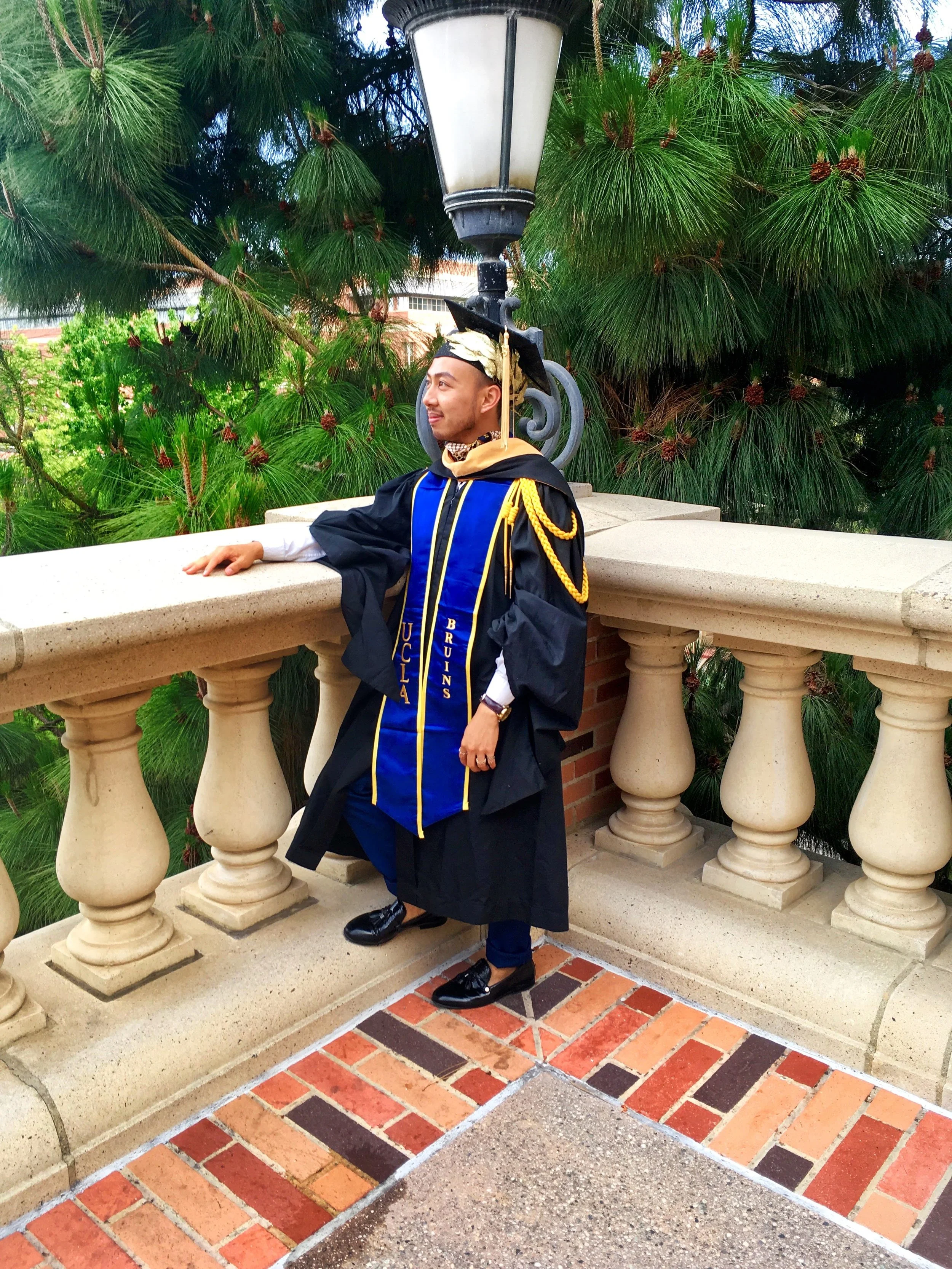
Bachelor of Science (BS), Master of Social Welfare (MSW)
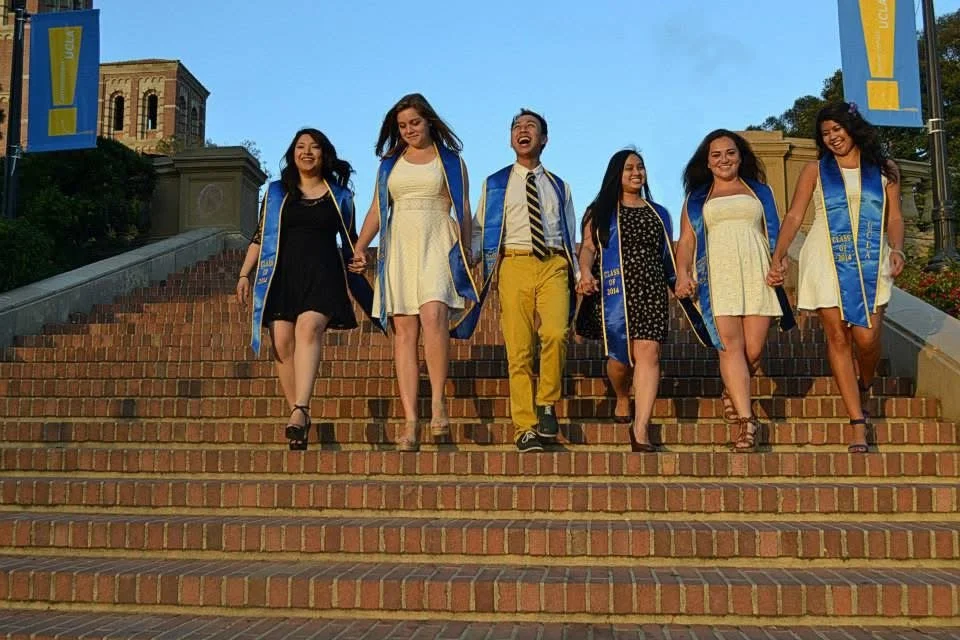
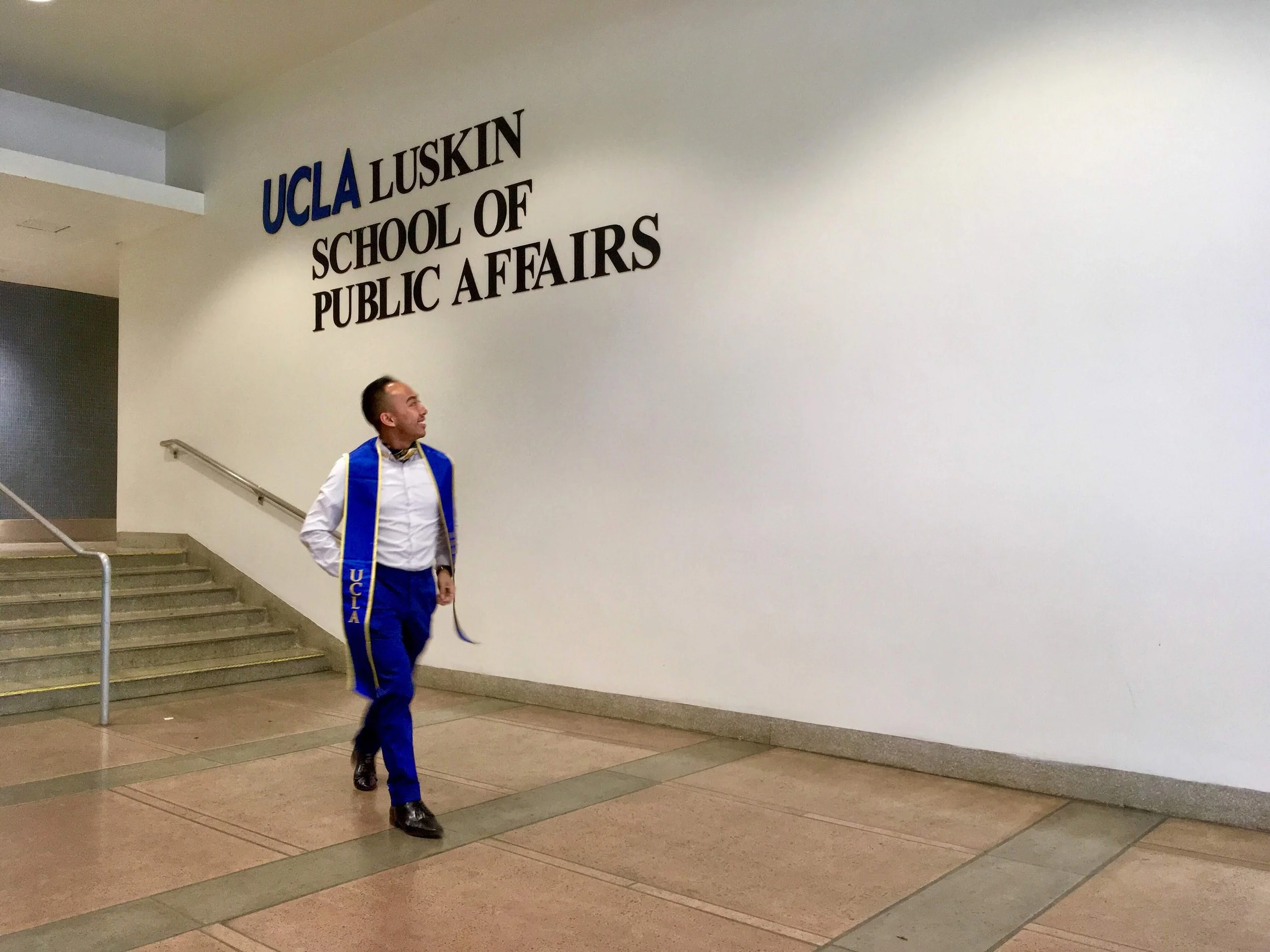
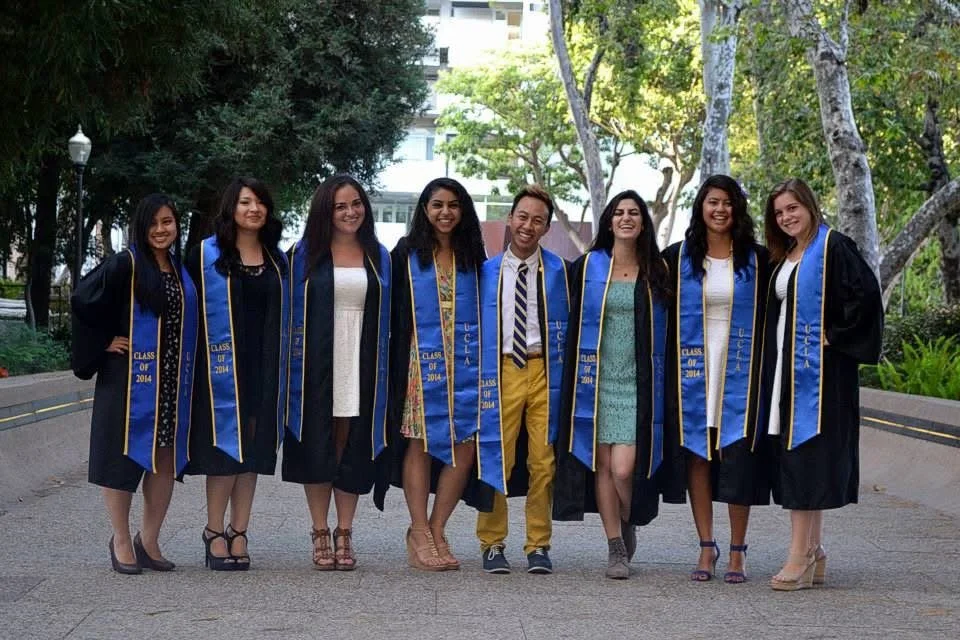
My foundation was built at UCLA, the nation’s #1 public university, where I earned a Bachelor of Science in Anthropology, Gerontology and Public Health. This unique scientific start allowed me to study the deep cultural stories and biological arcs of the human experience before my Master’s in Social Welfare. By choosing this path over traditional psychology, I ensured my work would be anchored in the "Human Sciences"—honoring your life from its cultural roots to the wisdom of aging. This lends to a comprehensive examination and curiosity of the human condition across the entire lifespan.
-
Licensed Clinical Social Worker (LCSW) | CA #111929 & PA #CW023993 As an LCSW, I provide a holistic standard that bridges the gap between Psychiatry (biology/medication) and Clinical Psychology (the individual mind). While other licenses focus on narrow "slices" of the self, my training is built on the "Person-in-Environment," the only clinical lens that holds the Whole Human within the Whole System. This comprehensive licensure to conduct psychotherapy through the clinical social work approach ensures your therapy honors both your internal psyche and the social and cultural systems you navigate daily.
-
Certified in Public Health (CPH 15107) This advanced certification from the National Board of Public Health Examiners (NBPHE) represents my commitment to exploring and addressing the "Silent Epidemics" that traditional therapy often misses—including the Loneliness Epidemic and systemic cycles of Addiction. Following the "One Health" model, I recognize that your personal peace is inseparable from the health of your community and the Earth itself. By understanding the Total Environment, I help you move beyond "coping" toward a radical sense of belonging within the world.
A little more about me (Q &A )
Here are some more questions I’ve answered for other people to get a better sense of who I am as psychotherapist and mental health professional. I also offer free 15 minute consultations to answer specific questions you might have.
Also, if you’re still curious about learning more about me, keep reading below! :)
-
My social work journey has been transformative and healing--setting the foundation for my therapy practice. I was initially interested in medical and public health social work because of deep-seated fears about death, dying, and disease that stemmed from family. This led me to pursue specialized training in Geriatric Social Work and Gerontology at UCLA which provided me with psychosocial skills to empower families as we navigate fragmented US health systems, while also promoting resilience in response to adversities across the life course. Throughout my training, I also became particularly drawn to social work’s commitment to social justice which illuminated suffering and disparities that have been insidiously hidden in structural inequities. This awakened a deeper sensitivity, exploration, and care towards untended silent wounds and “legacies of loss” carried by marginalized folx, beginning with my own as a queer and closeted first-generation Asian American, descending from boat people refugees surviving through Operation Seasweep.
-
I provide therapy that is in-depth, insight-oriented, and relationship-centered; this addresses immediate disruptive symptoms along with their underlying drives and roots. As appropriate, we might reflect and reminisce about the past to re-examine unreconciled memories and hidden wounds with hopes of harvesting wisdom and cultivating compassion. Other times, it may be better to problem-solve stressors in the environment or make sense of current struggles and hardships. We can also strategize solutions and plan for the future! All therapy is delivered through a strengths-based lens with an anti-oppressive practice (AOP) framework. This involves special attention to the different forms of interpersonal, structural, cultural, systemic, and institutional subordination, oppression, and power/privilege that underlie all relationships, from those in your life to those in our very own therapeutic relationship.
-
My active membership within the National Association of Social Workers (NASW) helps strengthen my knowledge about emerging issues within the field, allowing me to continue practicing a variety of different modalities and models while also meeting people where they are on their journeys. Additionally, I dedicate time to expand my knowledge of therapies of depth, insight, and relationships because my underlying philosophical and implicit relational stance seems to be aligned with Jungian, psychodynamic, and existential lenses. I deepen my commitment to these perspectives with professional membership in the Psychotherapy Action Network (PsiAN), American Association for Psychoanalysis in Clinical Social Work (AAPCSW), and International Association for Jungian Studies (IAJS). Lastly, my focus on healthcare is sustained through the ongoing maintenance of my certification in public health (CPH) from the National Board of Public Health Examiners (NBPHE).
-
I strive to deliver eclectic and holistic psychotherapy. My background in Anthropology, Public Health, and Gerontology helps me take a comprehensive approach to explore across intrapsychic/intrapersonal, interpersonal/relational, socioecological/environmental, cultural, developmental/life course, and transpersonal/spiritual domains of life. Additionally, I am grounded in perspectivism and existential values, acknowledging your reality as valid, important, and true to your lived human experience of which you are an expert; I only bear witness to your journey. I wouldn’t say I am here to “fix” you, but rather to co-create a space where your most authentic self can be awakened into reality across various moments of life, no matter how bitter, sour, or sweet. Over time, people in my practice can expect to discover deeper meaning and clarity about their ideas, ways of being, and experiences. Oftentimes, this radical acceptance and understanding leads to greater self-esteem, creativity, purpose, and fulfillment.
-
I am simultaneously excited and cautious about the expansion and incorporation of holistic and traditional healing (including psychedelic-assisted therapies) in contemporary mental health care. It is crucial that the field is beginning to acknowledge the power and wisdom from traditional practices that have been preserved and maintained in cultural, religious, and spiritual practices, which may have been previously trivialized by modern psychiatry, psychology, and psychotherapy. On the other hand, it is equally concerning to witness holistic healing practices and cultural wisdom gain popularity through haphazard Western appropriation processes that can cherry-pick principles of healing that are not wholly representative of their roots. Outside of this, I am also excited about emerging knowledge around interpersonal neurobiology, neuropsychoanalysis, and psychoneuroimmunology. Lastly, I appreciate the expanded avenues of therapeutic stories and conversations within film, media, and art; therapy should not be the only place where healing can occur.
Before I was a therapist, I was a scientist.
Before I was a scientist, I was an alchemist.
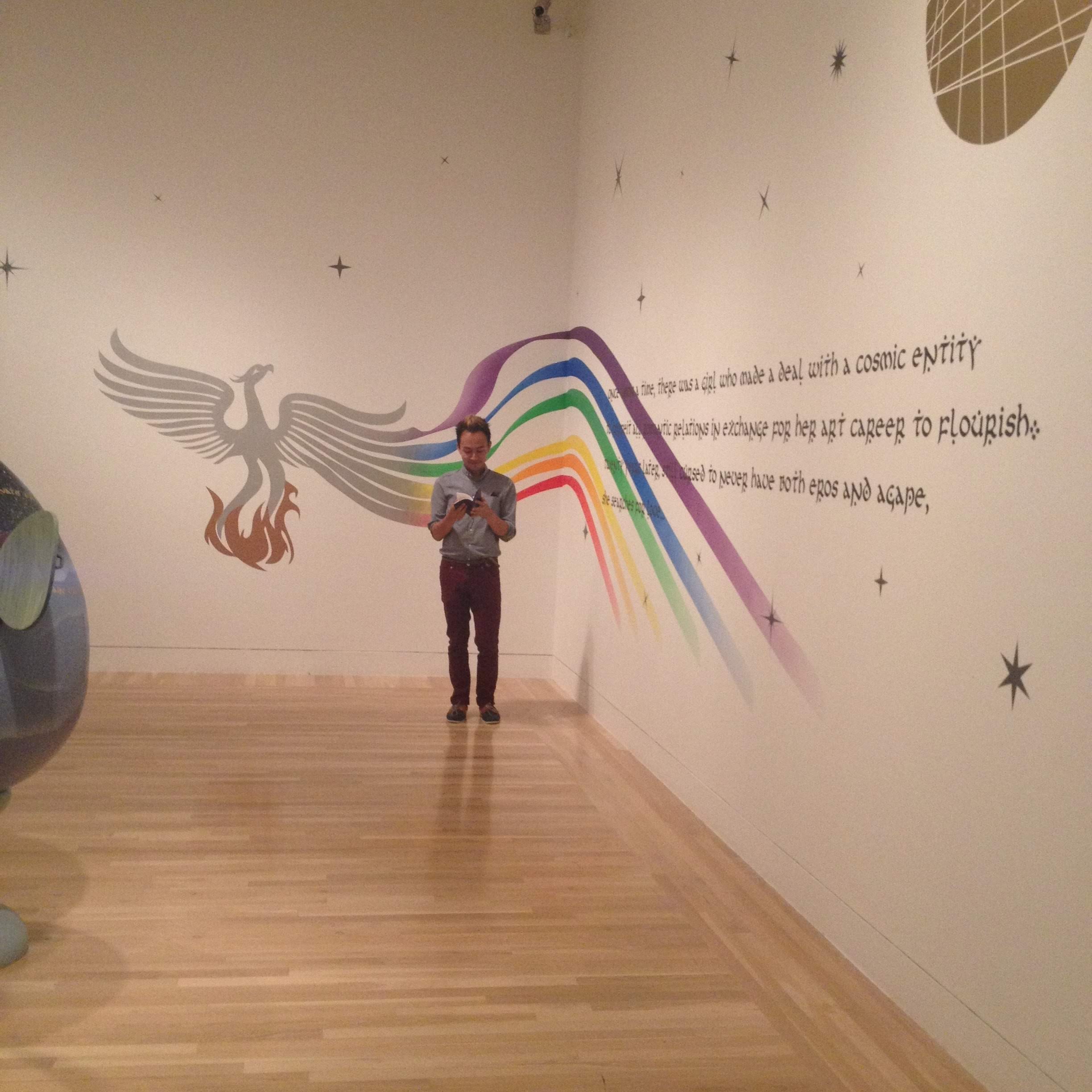
As BenTime Stories evolved into a sanctuary for other people’s stories, my stories kept brewing offline, and eventually found a new home—a blog I started called Alchemy of Loneliness where I reflect on the lost magic (disenchantment) and loneliness (disconnection) in our modern world.
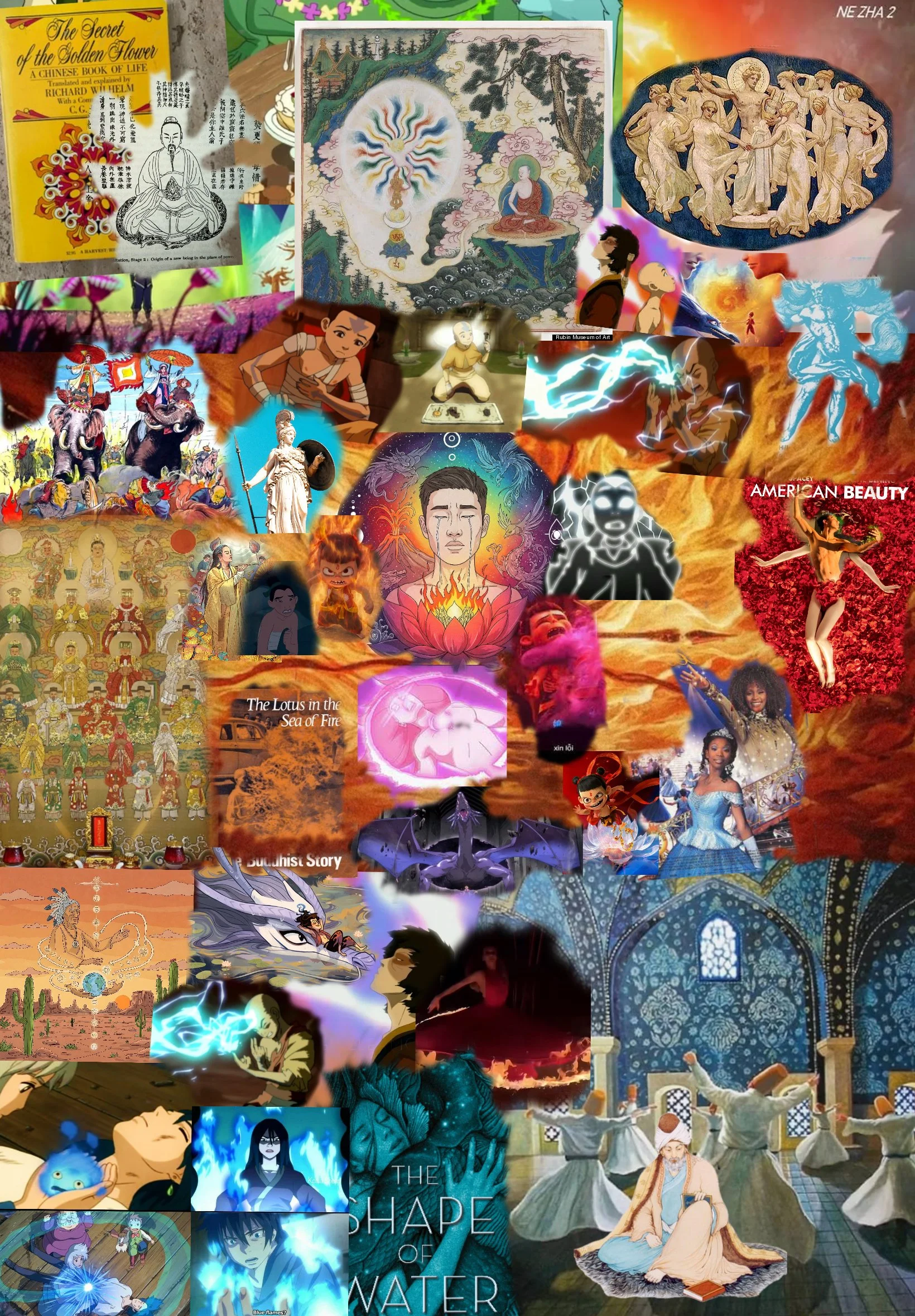
Life Imitates Art,
Vietnamese Lacquer Painting
Sơn Mài: The Art of the Uncovering
I have always loved the Japanese art of Kintsugi—the act of repairing broken pottery with gold to celebrate the wound. This is a popular metaphor for the hardships of life and imperfections.
But I have often found myself asking:What if you have too many cracks to be pieced back together? What if you have been broken so many times you’ve forgotten your original shape? What if life has required you to develop layer upon layer of "thickness" to cover up the broken mess and unidentifiable shape of you, just to survive, until you no longer know what existed underneath? I not only have asked these questions to myself, but also have encountered these very themes in conversations with others.
This has been the texture of my life as a Queer Asian+American. I have lived through the heavy, compounding layers of acculturation, assimilation, and conformity—layers that covered up my sexuality, my gender, my ethnicity, and my class. For a long time, I felt buried under the "armor" I had to build. Who was I originally?
“I’m looking for the face I had before the World was made.”
—William Butler Yeats, Before The World Was Made
This is the beauty of Vietnamese Lacquer Painting. In Sơn Mài, we do not start with a blank canvas. We start by burying fragments—usually broken eggshells or sand—underneath thick, dark, messy layers of lacquer. In its raw state, this lacquer is toxic. It is a caustic resin that causes rashes and burns; it is a substance that demands respect and caution. For a long time, the art looks like nothing but a hardened, toxic black slab.
The Transformation of the Toxic
Then comes the uncovering. Through a process of gentle, patient grinding, we sand back those layers. We don't "fix" the broken pieces; we work with the mess. We take the very material that was once toxic—the layers of protection and survival that may have once felt like they were poisoning our souls—and we grind them down.
By the time the process is finished, you don’t have the "original" shape or colors back. Instead, you have something entirely new. You have a version of yourself where the brokenness and the messy, darker layers of lacquer have been transformed into a various shades and hues of luminous depth. You have You.
The Beauty of Being Held
Perhaps the most beautiful part of this art is its relationship to touch. Unlike other delicate works that must be kept behind glass, Sơn Mài is meant to be held. The natural oils from human hands do not degrade the lacquer; they enhance it. Over time, the more the painting is touched and held, the more beautiful and durable it becomes.
This is the philosophy I apply to my life and my practice. I believe that our layers of protection and our histories of brokenness do not make us fragile—they make us capable of a deeper kind of beauty. When we lean into the process of uncovering, and when we allow ourselves to be held and touched by life and relationship, the toxic becomes the radiant. We don't just survive. We shine.

Broken Rice
Like the artistry of my ancestors, the kitchen of my ancestors also reminds me that what is broken is not merely insufficient, discarded, and dejected, but that the fragment is where the value lives—broken rice is transformed into a heartwarming meal of nourishment.
The Delicacy of the Fractured (Cơm Tấm) We are the Broken Rice. Traditionally, Cơm Tấm was the rice that shattered during the milling process. Because the grains were broken, they couldn't be sold as "premium" export; they were the "leftovers" that the farmers kept for themselves. It was the food of the working class, born out of necessity and the refusal to let anything go to waste.
But a strange thing happens when you cook with the broken grain. Unlike long-grain rice, which stands independent and firm, Broken Rice is unique. Because the grains are fractured, they have more surface area. They don't just sit next to the flavor—they absorb it. The texture is softer, more complex, and more intimate. It creates a mouthfeel that "perfect" rice can never replicate.
Today, Cơm Tấm is no longer just "poverty food"; it is a national comfort food of Vietnam. It is beloved specifically because of its brokenness. It is the ultimate alchemical proof that what is rejected by the "elite" or the "whole" can actually be the most heartwarming part of the story.
To be broken does not mean you are discarded. It means you are open. I’ve learned that when we embrace our own fractures, we become like that bowl of broken rice: seasoned, deep, and capable of offering true comfort to a world that is also hurting. Your history of being "shattered" is exactly what allows you to absorb the richness of life and extend an empathetic warmth and compassion to others.
Again, this informs my life and practice too. I don’t work to make you "whole" again in a way that erases your history. I believe your fractures are exactly what allow you to absorb the depth of life. We don't strive for the rigid "perfection" of a whole grain; we stay with the fragments of your experience until they become something heartwarming, a source of comfort for someone else. After all, rice can’t be eaten as a single grain; it sticks together like a community.
Alchemy of Appetite and AcceptanceDeconstructing and Appreciating "Too Much"
There is a specific kind of shame in being "too much." Too stinky, too pungent, too loud, too queer. For a long time, I felt this about Nước Mắm (fish sauce), and by extension, about my own identity. To some degree, I still do feel this way about both.
Usually Cơm Tấm is paired with Nước Mắm (fish sauce). Isn’t that funny. Something broken with something very pungent. Its creation is a process of extreme pressure, salt, and time.
I will admit: as a Vietnamese-Chinese American, I still cannot handle the intensity of raw fermented fish or shrimp sauce (Nước Mắm or Mắm Ruốc). I used to hate that pungency; my rejection of this used to be intertwined with my rejection of the culture, and a reflection or clinging to how "Westernized" or acculturated I had become. I wonder if I hated the fish sauce because I hated the parts of myself that were too pungent for our society.
But through time, I’ve come to a deeper appreciation of this flavor—it is the flavor of my people, and therefore, the flavor of me. I began to realize that a society that cherishes something so pungent is a society that knows how to work with the heavy.
Historical Fermentation
But I’ve realized that this pungency is the flavor of resilience. Think of everything buried under the weight of Imperialism, Communism, and Capitalism. Think of the historical wounds of war and the collective aches of a people building a future out of the dust. We learn to hide our emotions; we let them "sulk" and sit in the dark for generations. But in Alchemy, nothing is lost. Like the fish in the barrel, that which is pressured eventually ferments into the savory essence (umami) that sustains a culture.
Deconstructing the "Truth"
I once learned that the Ancient Greeks and Romans cherished a nearly identical substance called Garum. They saw as a delicacy what the modern West often rejects as "stinky." This taught me a vital Alchemical lesson: Norms are temporal; appetites are taught.
All that is to say…I have to confess… I still can’t quite stomach raw shrimp paste or undiluted fish sauce. I suppose what I can’t quite do with the physical, I try extra hard to make up for with the psychic and social. This is the philosophy I bring to my life and my practice. Even if my palate is still "working up to it," my soul recognizes the medicine and can appreciate its unique flavor.
I don’t ask you to be "cured" or perfectly transformed into something bland, flat, and neutral. I ask you to join me in the process of deconstructing the norms that told you your "too-muchness" was a problem. We stay with the messy, fermented truth of your life until we recognize the Gold within.
And as it turns out, perhaps the gold was in the fish sauce all along. :)